Who Actually Owns the AWS Resources When Your PaaS Deploys to Production
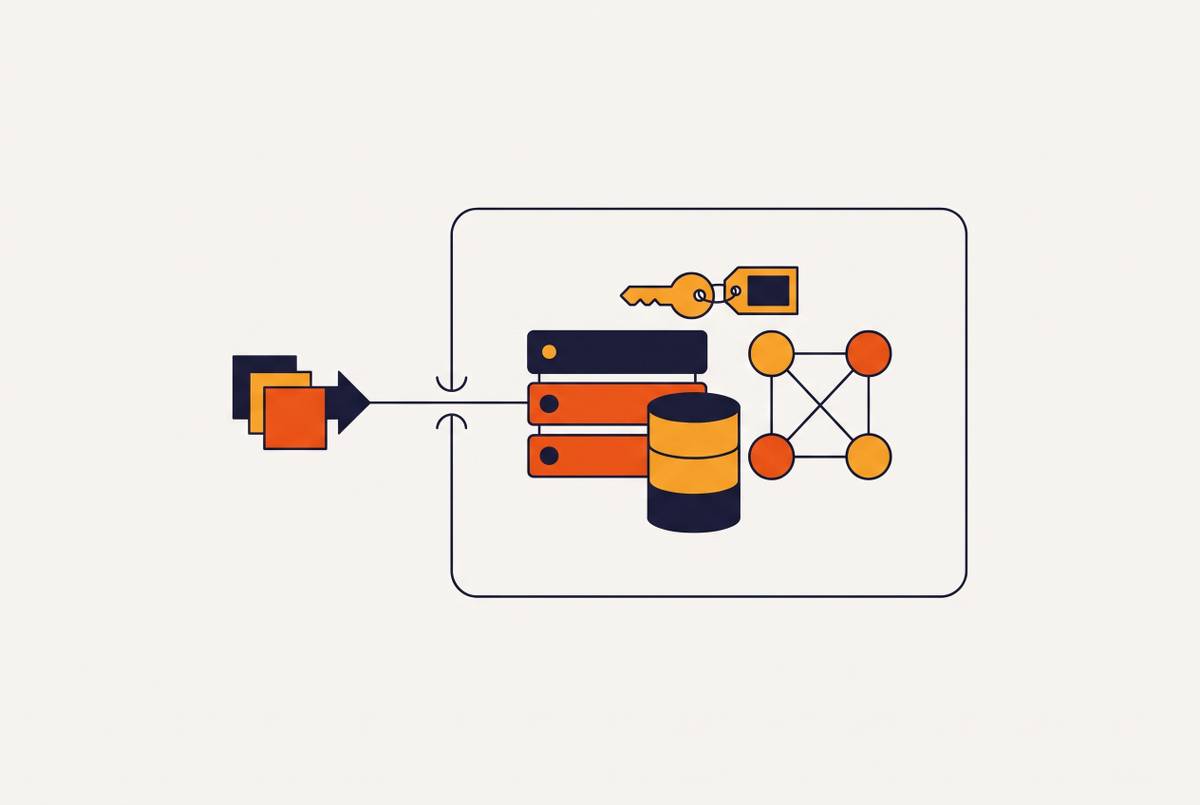
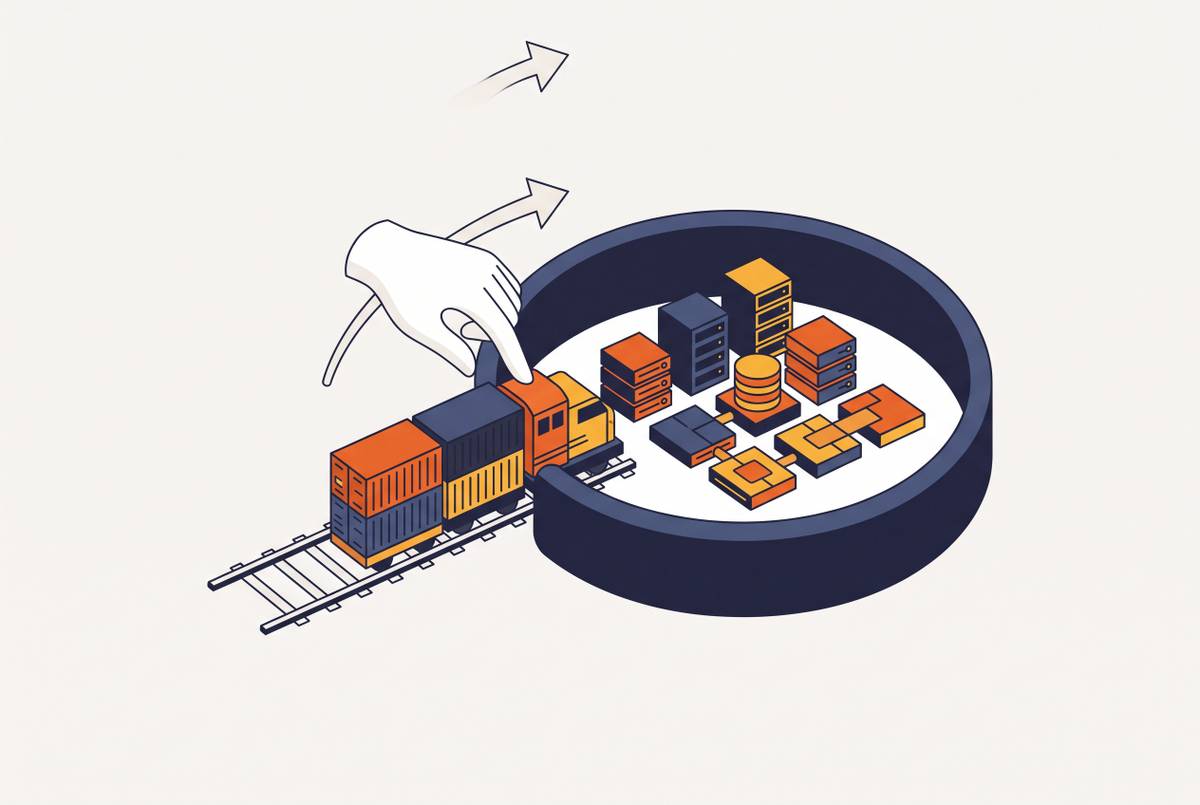
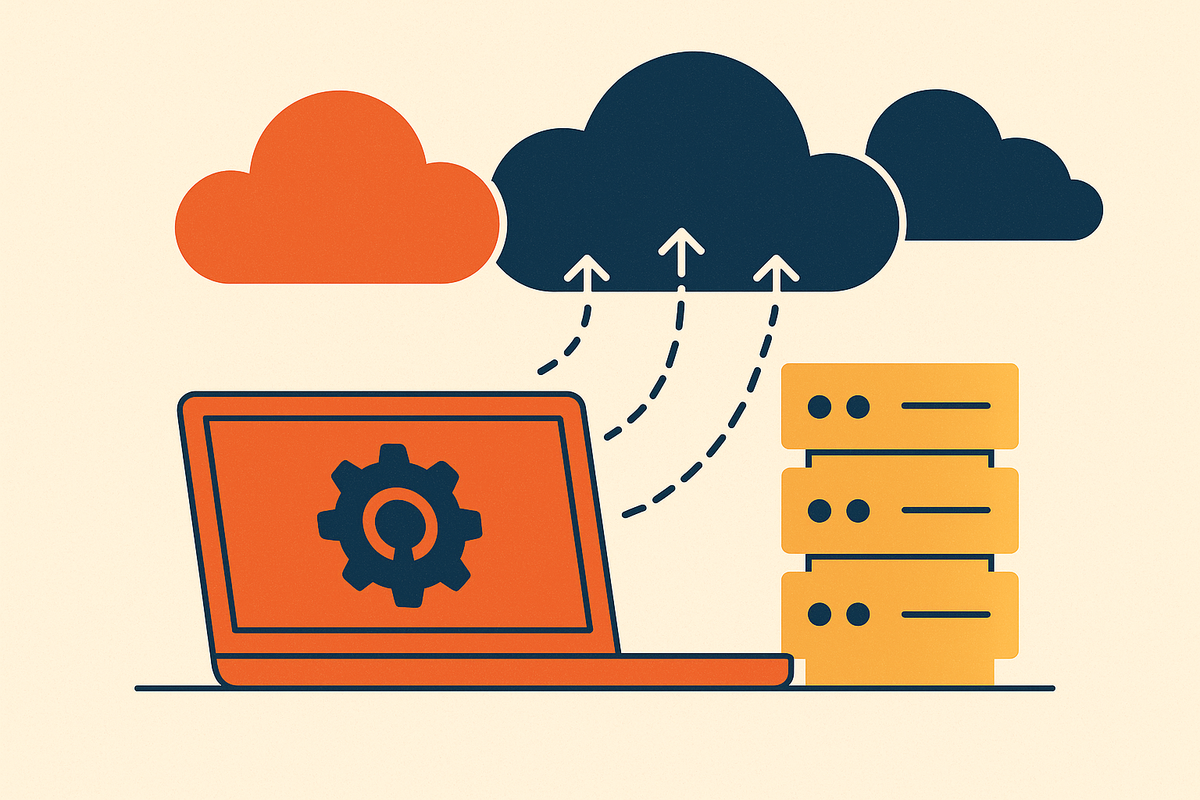
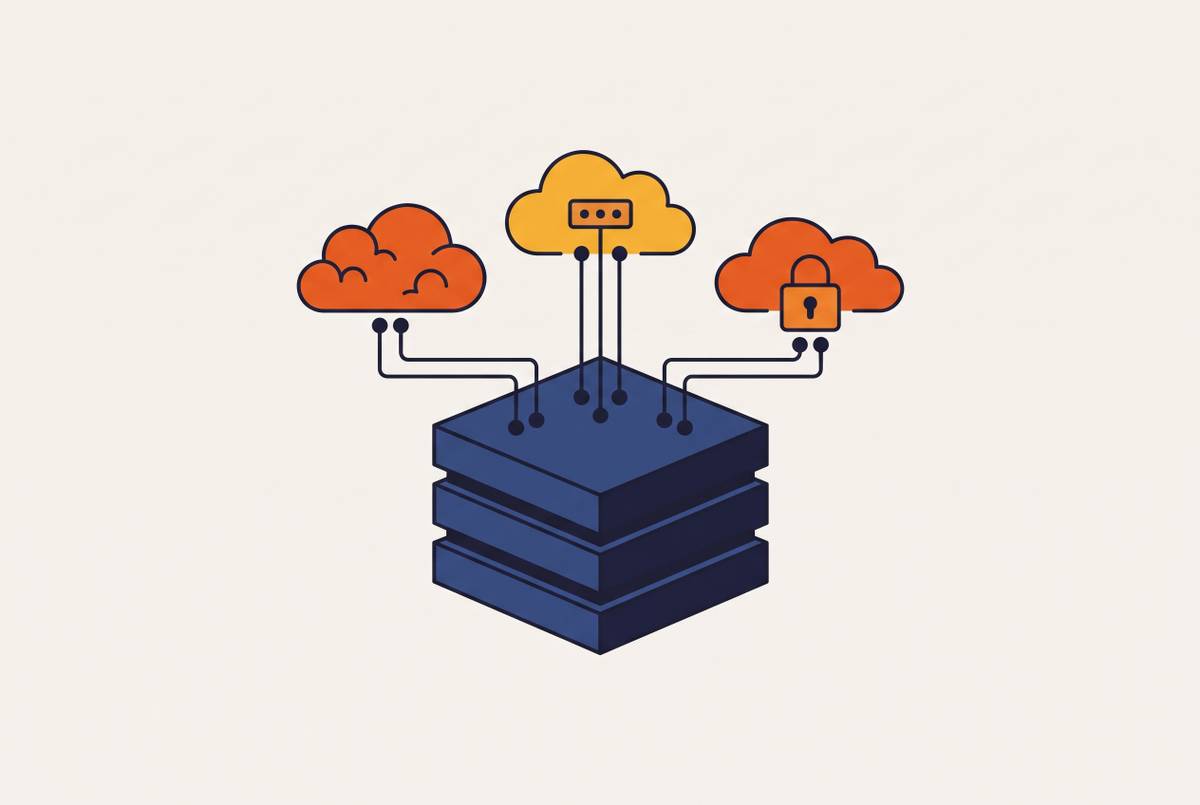
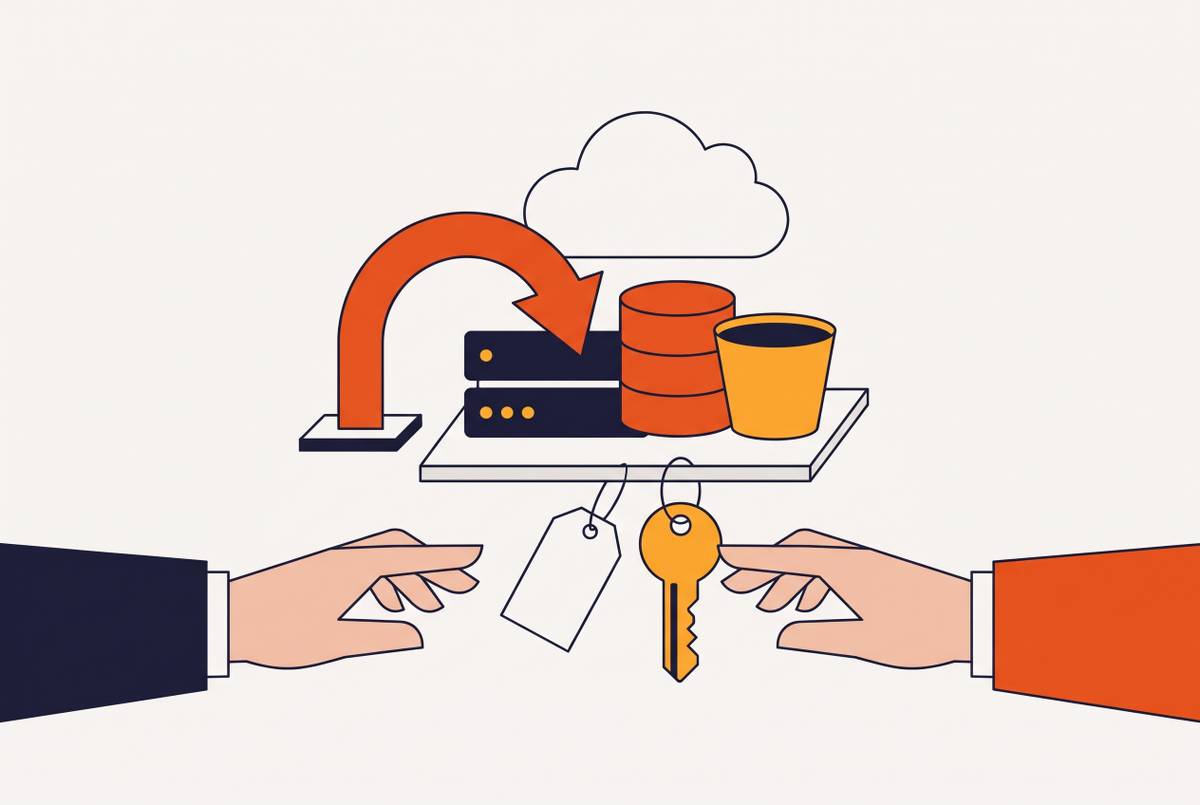
BYOC puts production resources in your account, while shared-tenant PaaS keeps them in the vendor's.
Owen Nystrom
Section
25 stories in PaaS Alternatives.
BYOC puts production resources in your account, while shared-tenant PaaS keeps them in the vendor's.
Who owns the infrastructure and network after the vendor relationship ends.
Control Plane, Xata, and Zilliz offer managed deployments in your own cloud account.
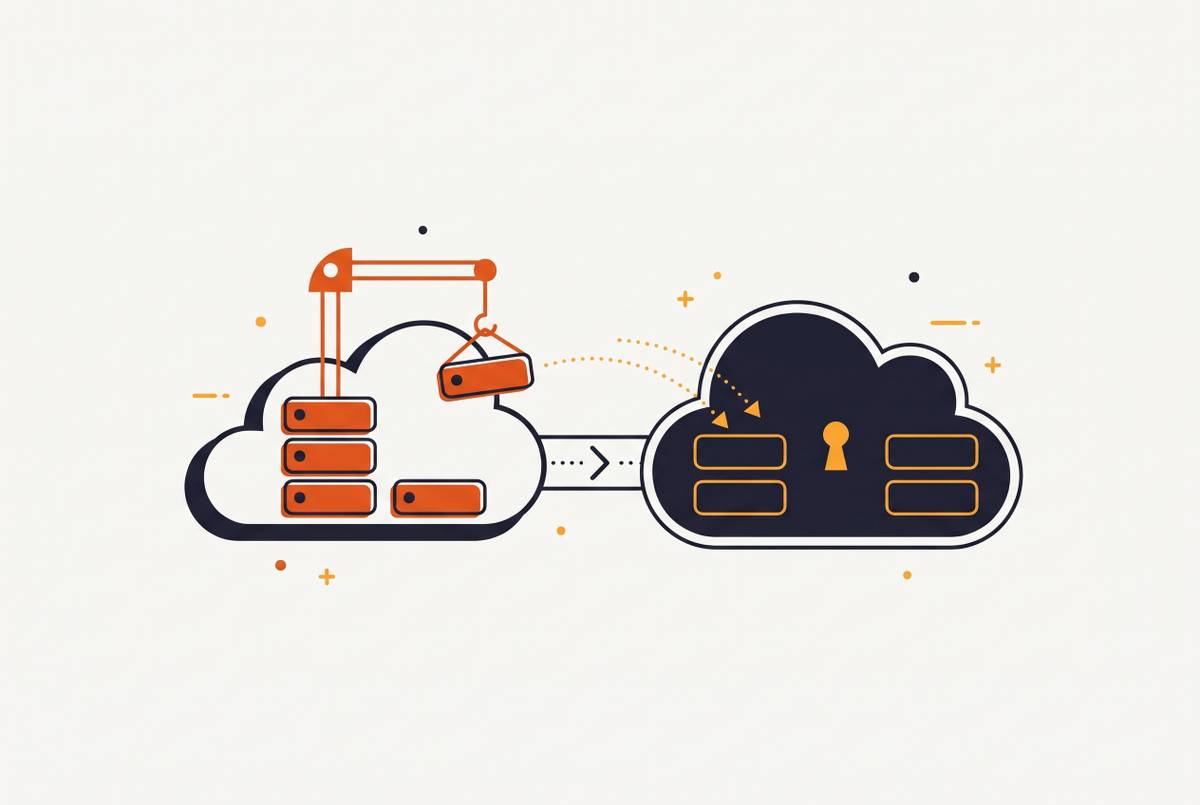
Managed BYOC cuts hosting markup by running your stack in your own cloud account.
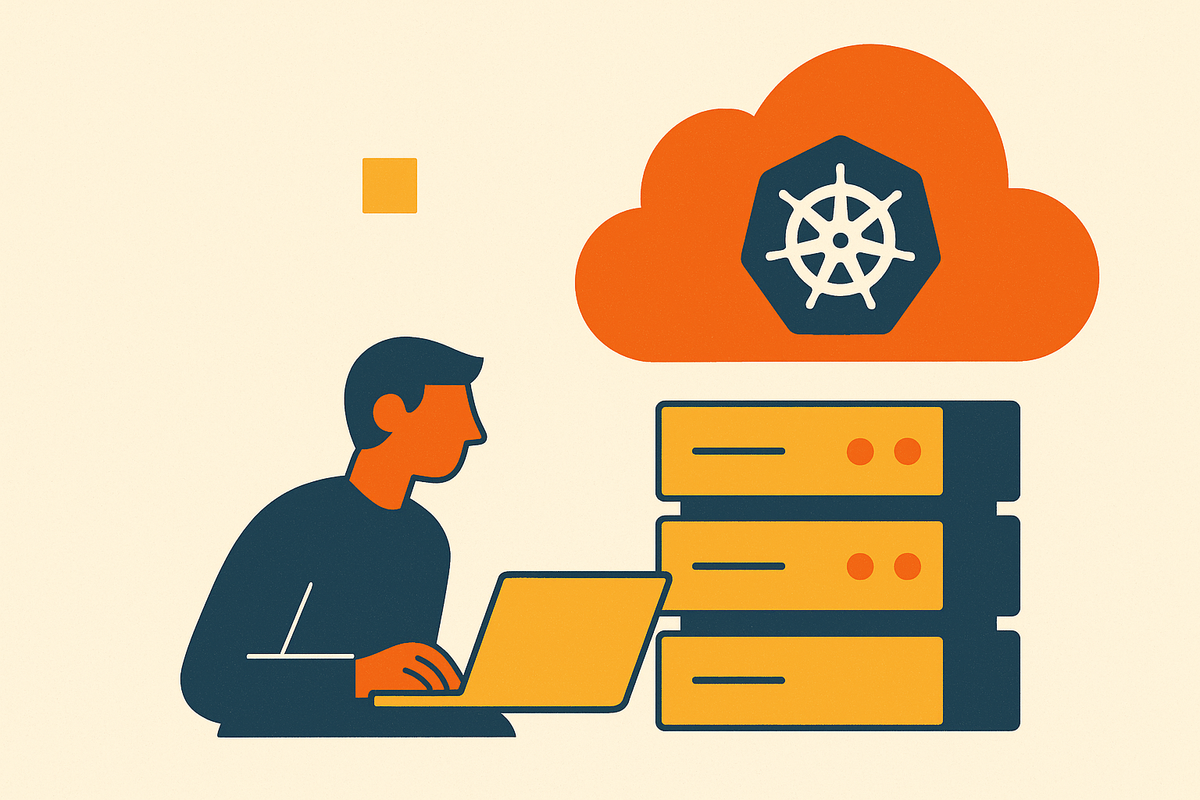
Abstractions hide Kubernetes complexity while keeping control in your AWS account.
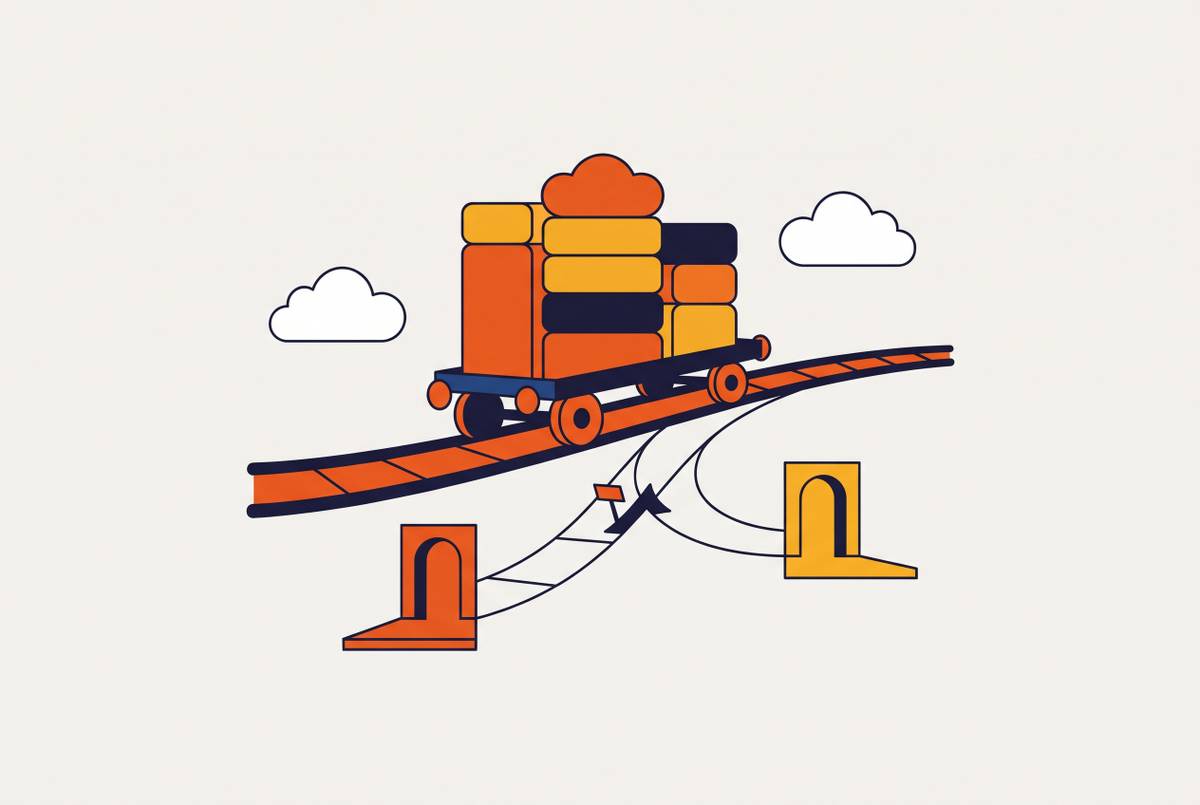
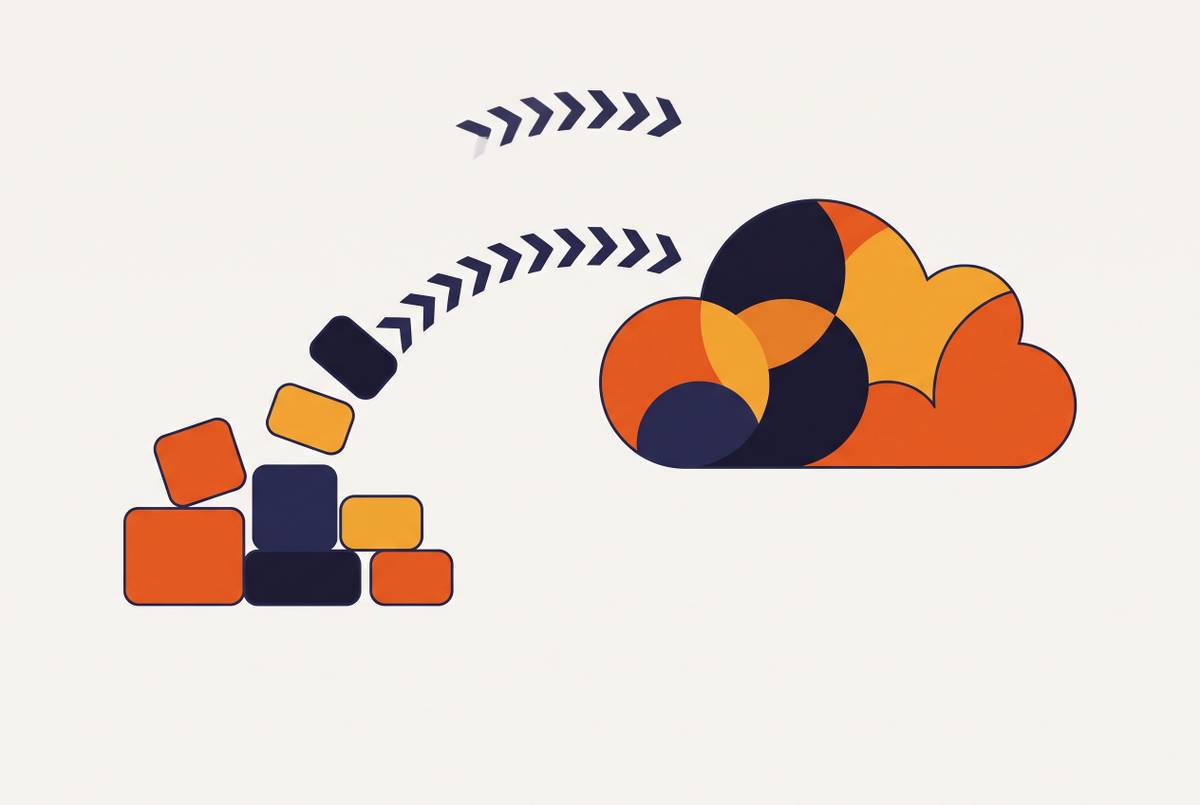
Migration removes the vendor lock-in that production workloads eventually outgrow.
Account-level isolation through your own cloud account is now table stakes for regulated workloads.
Departing Railway doesn't require rebuilding your CI/CD pipelines or application code.
BYOC architecture lets you revoke access instantly without disrupting deployments.
How you split tenants across infrastructure shapes your cloud costs more than any code optimization.
Six platforms now let you run Kubernetes in your own cloud account.
Porter brings Railway's frictionless workflow to your own cloud account.
Ownership and managed operations split these platforms into two fundamentally different categories.
Kubernetes control planes, not data centers, determine who can legally access your data.
Ask your PaaS vendor this one question: does your workload run in my account or theirs.
Learn which managed Postgres provider fits your workload and how to migrate cleanly.
Shared infrastructure exposes every tenant to the same vulnerabilities simultaneously.
Four architectural choices determine whether a self-hosted PaaS truly supports multi-cloud.
How to separate real bring-your-own-cloud from vendor marketing.
Database costs and egress fees explode as PaaS startups grow beyond prototype stage.
Learn the sequencing and gotchas that determine whether your migration succeeds.
Shared PaaS and raw Kubernetes both fail at scale; BYOC platforms bridge the gap.
Railway prioritizes speed and simplicity; alternatives offer visibility and control.
Engineering time or compute cost: which resource matters more at your startup's stage.
Assess your app's actual needs before picking a platform to replace Heroku.