What Actually Happens When You Deploy to Kubernetes
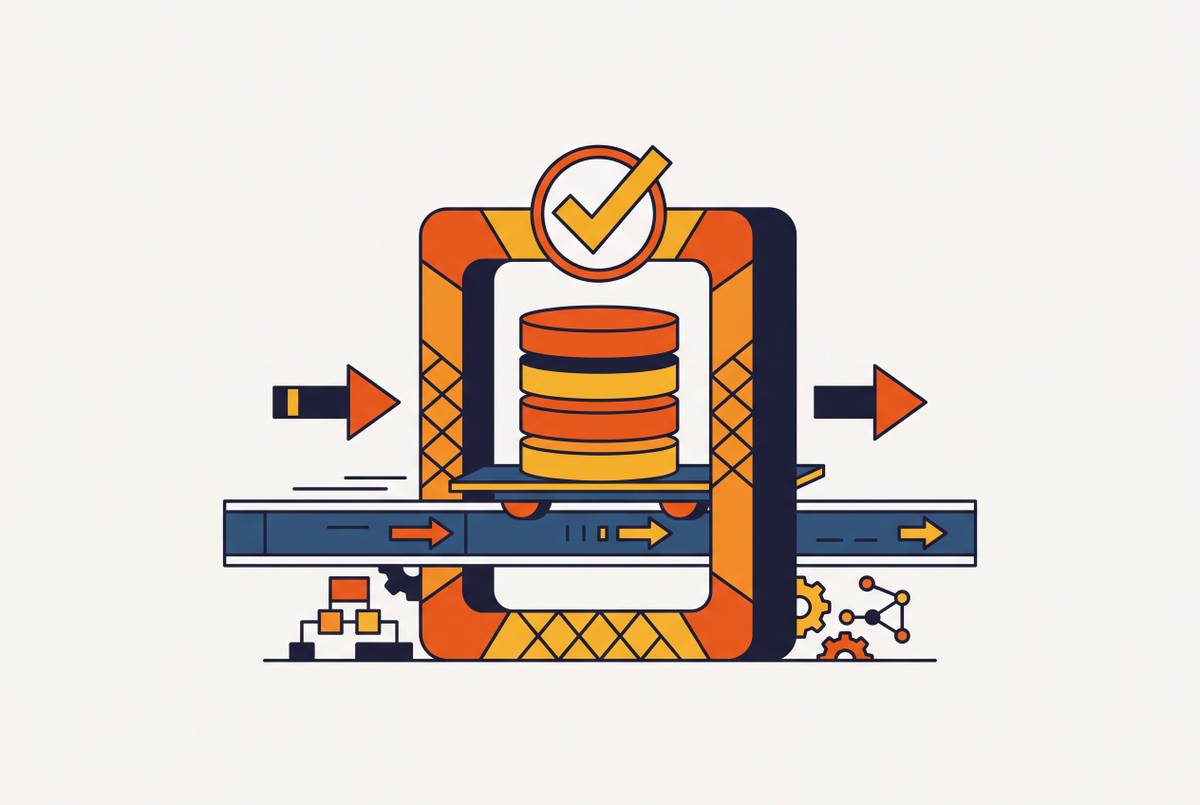
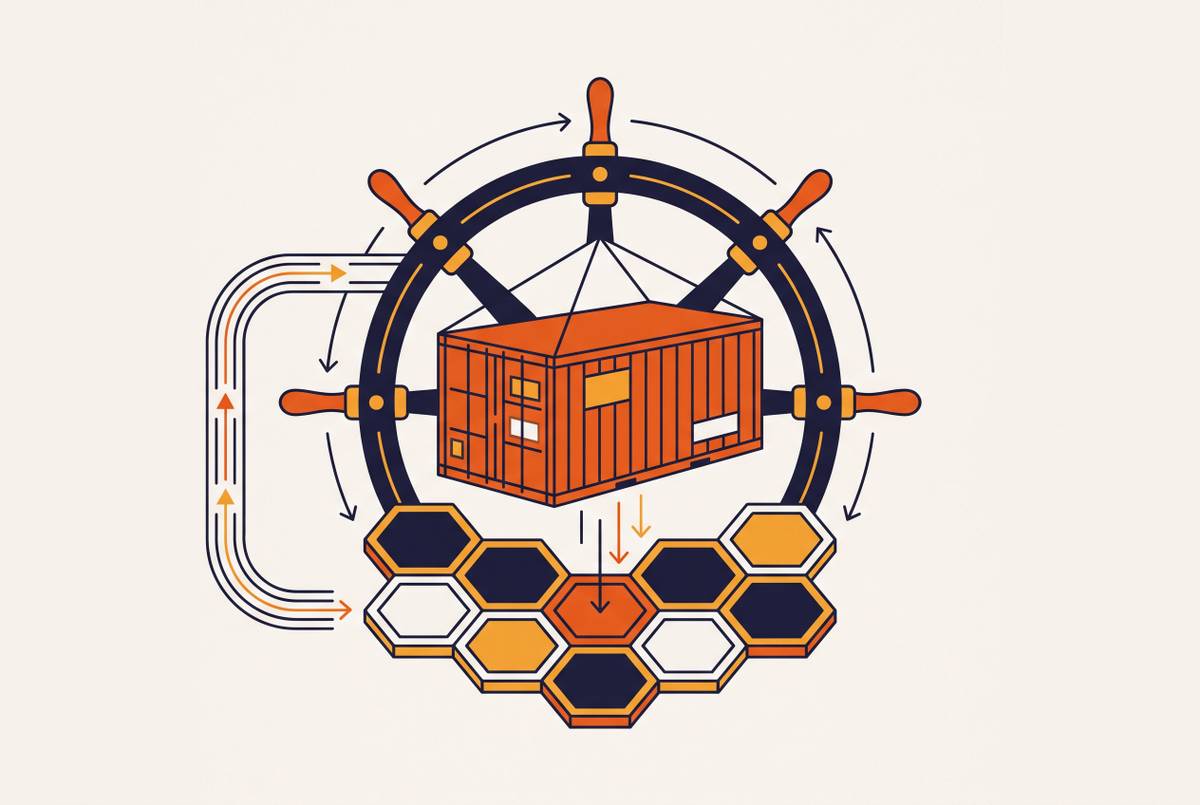
Kubernetes doesn't execute commands—it continuously reconciles your desired state with reality.
Yuki Whitlock
Columnist
Yuki Whitlock covers features, cloud compliance and paas alternatives for Infra Stack Review.
15 stories
Kubernetes doesn't execute commands—it continuously reconciles your desired state with reality.
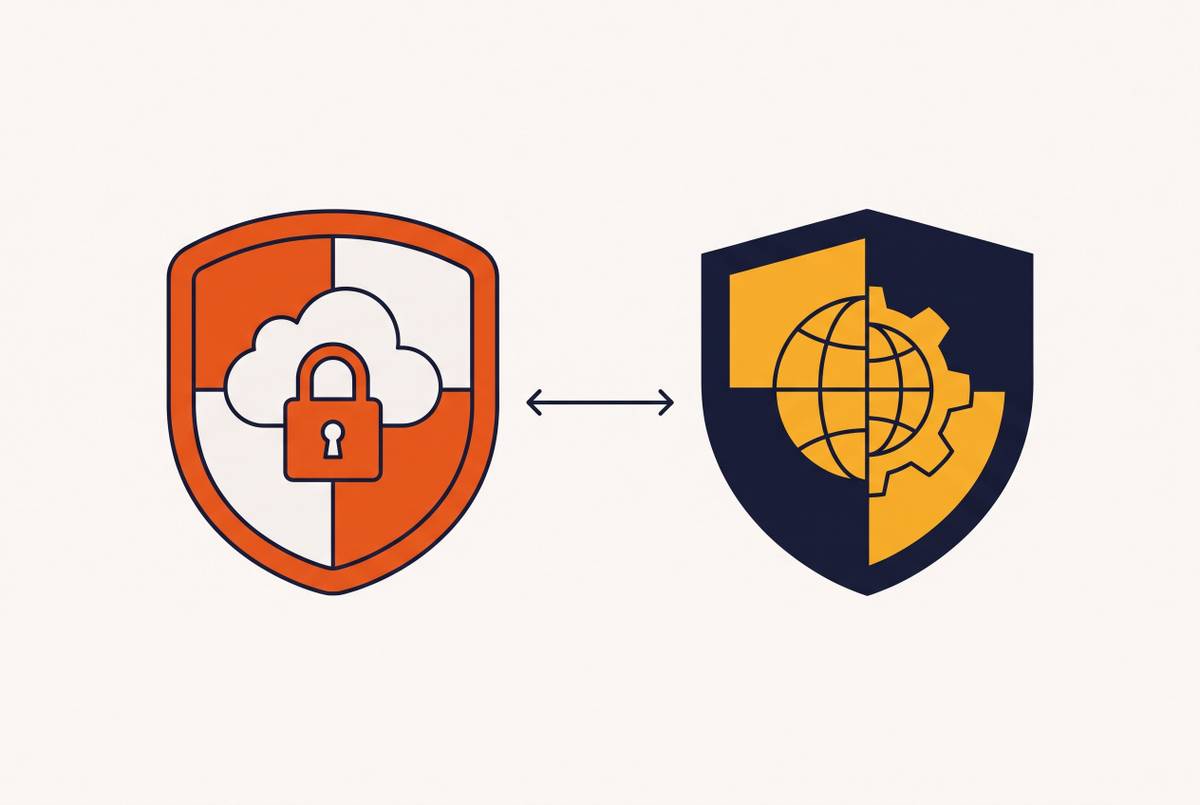
SOC 2 vs ISO 27001 comes down to where your customers are and what they contractually demand.
Auditors require documented access controls at every stage, not just sound policies on paper.
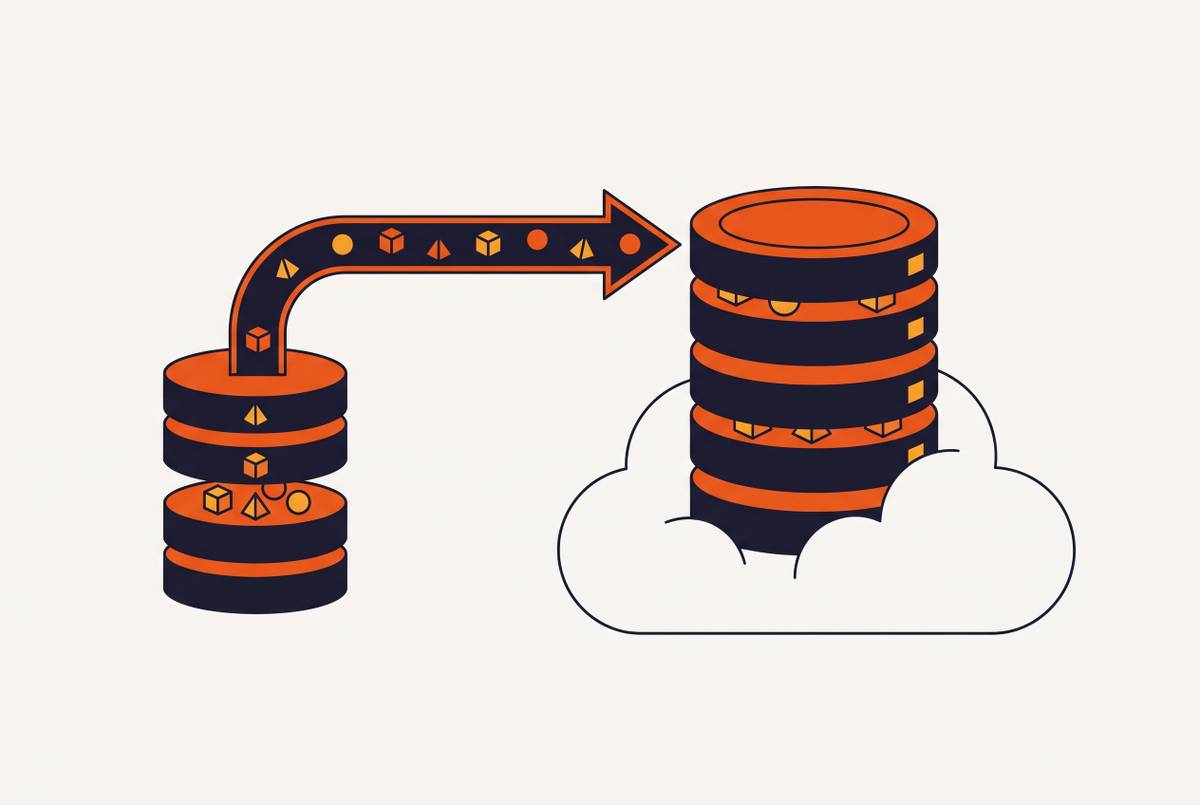
Dump-and-restore works for small databases; logical replication handles the big ones.
Data sovereignty, GPU economics, and Heroku's decline drive demand for true BYOC platforms.
Schema changes need backward compatibility during overlapping app versions or deployments will fail.
Most small teams don't yet face the coordination problems a portal actually solves.
Catch runaway cloud costs before they compound into thousands in waste.
Google Cloud's infrastructure is secure, but your misconfigured deployment will breach anyway.
Heroku's exit forces growth-stage teams to compare costs that matter beyond the headline price.
Determine whether you're hitting a feature limit or a structural ceiling before moving platforms.
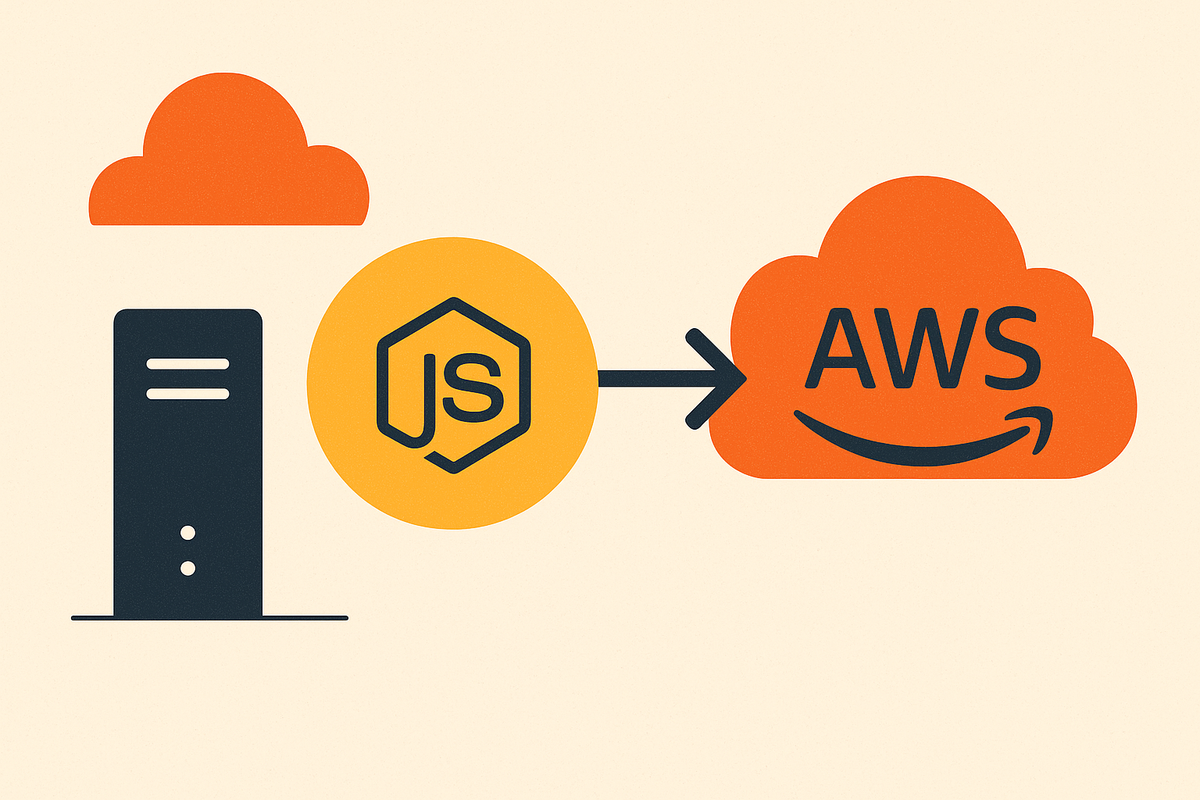
Move your Node.js app from Heroku to AWS without rewriting code.
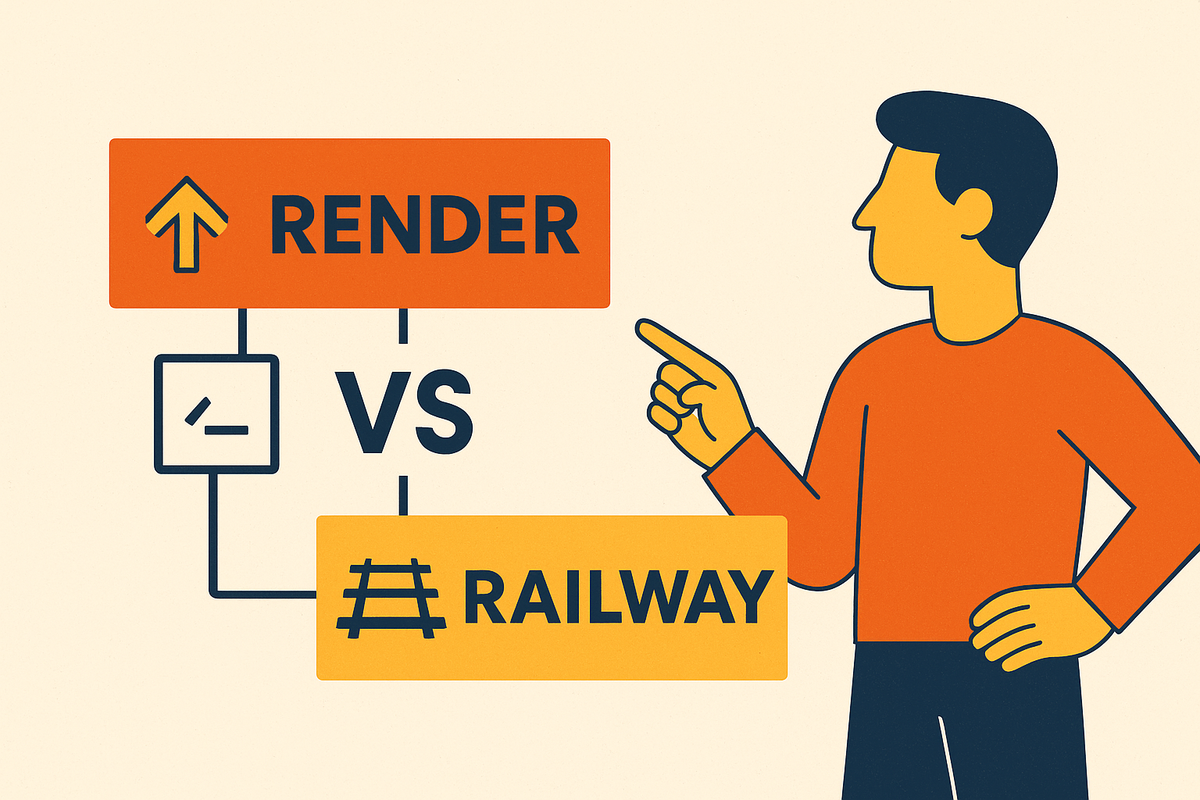
Railway's visual interface and usage-based pricing favor early-stage teams with variable traffic.
SOC 2 protects data; SOC 1 protects financial records.
Vercel's bandwidth pricing and lack of managed databases push full-stack teams toward alternatives.